Discovering a stain on a carpet often leads to an immediate attempt to remove it. A cloth, water and a household cleaning product may seem like all that is needed. However, homeowners are sometimes surprised to find that a relatively small mark becomes noticeably larger during cleaning, leaving a wider patch that can be more difficult to deal with than the original stain.
This usually happens because carpet stains do not always remain confined to the area visible on the surface. Liquid can move through carpet fibres, cleaning solutions can redistribute contamination, and excessive moisture can carry residues beyond the original boundary of the mark. The way a stain is treated can therefore make a significant difference to the final result.
For homeowners in Faversham, Kent, K&S Carpet Cleaning Faversham provides professional carpet cleaning and stain treatment based on the carpet, the type of contamination present and how the affected area has previously been treated.
Why Can a Small Carpet Stain Become Much Larger?
What you see on the surface of a carpet does not necessarily represent the complete affected area.
When a liquid is spilled, it can move down through the carpet pile rather than remaining on the tips of the fibres. Depending on the amount involved, contamination may reach deeper areas before becoming visible again during cleaning.
A stain can appear to spread because:
- Too much water has been applied
- The affected area has been rubbed
- Cleaning solution has been used excessively
- Contamination has moved into surrounding fibres
- Residue has been drawn from deeper within the carpet
- The wrong cleaning method has been used
Understanding why this happens is important because repeatedly adding more cleaning product can sometimes make matters worse.
Rubbing a Stain Can Push It Outwards
Scrubbing is not always the quickest route to a cleaner carpet
When faced with a stubborn mark, the natural reaction is often to scrub it vigorously.
Unfortunately, this can spread the contamination through a larger section of carpet.
Rubbing can move liquid and residues sideways into neighbouring fibres rather than lifting them away from the carpet. It can also disturb the pile, potentially leaving the treated section looking different even after the original contamination has been reduced.
Careful blotting is generally more controlled than aggressive scrubbing when dealing with a fresh spill.
Using Too Much Water Can Increase the Affected Area
Adding water may dilute some spills, but excessive moisture can also allow them to travel further.
The more liquid introduced into the carpet, the greater the potential for dissolved contamination to move beyond the original stain.
This can result in:
- A wider visible mark
- Extended dampness
- Residue moving into surrounding fibres
- Uneven drying
- Contamination travelling deeper into the carpet
The objective should therefore be controlled treatment rather than completely saturating the affected area.
A Spill May Have Penetrated Deeper Than It Appears
Surface cleaning does not always reach the complete problem
Some spills penetrate beyond the visible carpet pile before they can be treated.
A homeowner may clean the surface successfully and initially believe the stain has disappeared. As the carpet dries, however, some of the deeper contamination can migrate back towards the surface.
This can create the frustrating impression that the stain has returned or become larger.
Professional carpet cleaning considers the possibility that the visible mark is only part of the contamination.
Why Do Stains Sometimes Reappear After Drying?
A mark that returns after cleaning is sometimes associated with a process commonly described as wicking.
Moisture can move through carpet fibres as the treated area dries. If contamination remains deeper within the carpet, some of it may travel upwards with that moisture.
The surface may therefore look clean immediately after treatment but show discolouration again later.
Repeatedly wetting the area without properly removing the underlying contamination can continue the cycle.
Professional treatment aims to address the stain appropriately while controlling the amount of moisture introduced.
Household Cleaning Products Can Leave Residues
Using more cleaning solution does not necessarily provide greater cleaning power.
If a product is applied excessively or is not removed appropriately, residue can remain within the carpet fibres.
This residue may:
- Affect the appearance of the treated area
- Make fibres feel different
- Attract additional soil
- Create a larger visible patch
- Make future cleaning more complicated
An area that appears to become dirty again soon after cleaning may sometimes be attracting soil because cleaning residue remains within the fibres.
Different Stains Behave Differently
There is no universal treatment for every carpet mark
A carpet can encounter many types of contamination, and they do not all respond in the same way.
Common examples include:
- Drinks
- Food
- Mud
- Oily residues
- General household spills
- Tracked-in contamination
Some substances are relatively straightforward to remove when treated promptly. Others may bind more strongly to carpet fibres or require a particular cleaning approach.
Applying the same household product to every stain can therefore produce inconsistent results.
Professional stain treatment considers what is likely to have caused the mark before deciding how the affected area should be approached.
The Carpet Fibre Also Matters
Carpets are manufactured from different materials, and those fibres can react differently to moisture and cleaning agents.
A method that appears to work well on one carpet should not automatically be assumed suitable for another.
Professional carpet cleaners consider factors such as:
- Fibre type
- Carpet construction
- Colour
- Existing condition
- Nature of the contamination
- Previous cleaning attempts
This helps reduce unnecessary experimentation with cleaning products that may not be appropriate for the carpet.
Working From the Outside Can Help Limit Spreading
When dealing with a fresh localised spill, treatment should avoid unnecessarily pushing contamination further outwards.
Working carefully around the affected area can help maintain control of the stain rather than enlarging it through vigorous wiping.
The key principle is to remove contamination rather than redistribute it.
This is particularly important with liquid spills, where repeated sideways wiping can quickly turn a small mark into a much larger affected section.
Why Repeated DIY Cleaning Can Make a Stain Harder to Understand
A stain that has been treated several times may contain more than the original substance.
The affected fibres may also contain:
- Detergent
- Spot-cleaning products
- Water residues
- Previously loosened contamination
- Soil attracted after earlier treatment
This can make the problem more complicated than a fresh spill.
When professional carpet cleaning is arranged, explaining what products have already been used can be helpful because previous treatment may influence the next cleaning approach.
Not Every Remaining Mark Is Removable Contamination
It is also important to recognise that a visible carpet mark is not always a conventional stain.
Sometimes the appearance of the fibres themselves has changed.
For example, an area may look different because of:
- Fibre wear
- Colour loss
- Pile distortion
- Previous aggressive scrubbing
- Permanent changes caused by the original substance
Professional cleaning can remove contamination, but it cannot reverse every form of permanent carpet damage.
An assessment helps distinguish between material that can potentially be cleaned away and changes that have affected the carpet itself.
Prompt Action Can Make Stain Treatment Easier
Fresh spills are generally better addressed before they have had time to dry and become established.
When a spill occurs, removing as much excess material as possible without spreading it further can be useful.
The important principles are:
- Act promptly.
- Avoid aggressive rubbing.
- Do not saturate the carpet unnecessarily.
- Avoid repeatedly applying different cleaning products.
- Seek professional treatment where the mark persists or the correct method is uncertain.
A controlled initial response can prevent a relatively small spill from becoming a larger cleaning problem.
Why More Cleaning Product Is Not Always Better
There is a common assumption that stubborn stains simply require a stronger product or a larger quantity.
In reality, excessive product can create additional residue without necessarily removing more contamination.
This is especially problematic when several different products are applied one after another.
The carpet may then contain a mixture of the original spill and various cleaning chemicals, making subsequent treatment more difficult.
Professional carpet cleaning is based on selecting an appropriate method and using it in a controlled way rather than continually adding more solution.
Professional Cleaning Provides Controlled Extraction
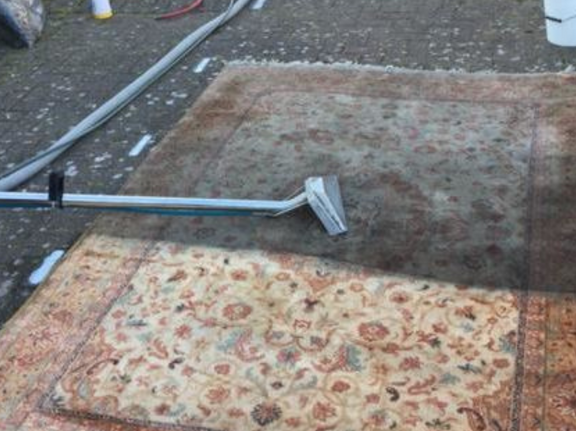
One of the important differences between professional carpet cleaning and many household stain-removal attempts is the ability to combine treatment with effective extraction.
Loosening contamination is only part of the process.
Once soil or stain material has been released from the fibres, it needs to be removed effectively rather than simply moved to another part of the carpet.
Professional equipment and suitable cleaning techniques can help extract:
- Loosened contamination
- Moisture
- Soil
- Cleaning residues
This can provide a more complete approach than repeatedly treating the surface with household products.
Older Stains Need Realistic Assessment
A stain that has been present for a long period may behave differently from a fresh spill.
Over time, contamination can become more firmly established, and previous cleaning attempts may have altered the affected area.
Professional treatment may still achieve a substantial improvement, but the result depends on factors including the original substance, carpet fibre and treatment history.
This is why professional assessment is valuable. It allows the stain to be approached according to its actual condition rather than assuming every mark can be treated identically.
Traffic Can Make a Previously Cleaned Area Look Worse
Sometimes the original stain has largely been removed, but the treated area later becomes noticeably darker.
Cleaning residue can contribute to this by attracting soil from normal foot traffic.
As people continue walking across the carpet, contamination can become concentrated around the sticky fibres.
The result can look like the original stain has returned when the newer darkening is actually associated with subsequent soiling.
Proper extraction and controlled use of cleaning products help reduce this problem.
Professional Carpet Cleaning Can Treat More Than the Visible Spot
A stain rarely exists in complete isolation from the condition of the surrounding carpet.
If the carpet itself has accumulated general soil, cleaning only one small section can sometimes make differences in appearance more noticeable.
Professional carpet cleaning allows the wider condition of the carpet to be considered alongside the individual stain.
Depending on the circumstances, this can help produce a more consistent result across the complete area rather than concentrating solely on a small visible mark.
When Should You Stop Trying to Clean a Stain Yourself?
If a stain is becoming larger, repeatedly returning or showing little improvement, continuing to apply additional products may not be the best approach.
Professional help is worth considering when:
- The stain continues spreading
- The mark returns after drying
- Several cleaning products have already been used
- The carpet has become excessively wet
- The affected fibres look different
- You are unsure what caused the stain
- The carpet requires wider deep cleaning
Stopping before further treatment complicates the affected area can give professional cleaning a clearer starting point.
Professional Carpet Cleaning in Faversham
At K&S Carpet Cleaning Faversham, we provide professional carpet cleaning for homes throughout Faversham, Kent.
When treating stained carpets, we consider more than the visible mark. The carpet construction, contamination, previous cleaning attempts and condition of the surrounding fibres can all influence the appropriate approach.
Our aim is to treat carpet contamination carefully and effectively, using professional cleaning methods rather than simply applying more product to the affected area.
Conclusion
Carpet stains can spread during cleaning when moisture, rubbing or excessive cleaning solution moves contamination beyond the original affected area. In other cases, deeper residues may migrate back towards the surface as the carpet dries, creating the impression that a stain has returned.
The most effective response is usually controlled treatment rather than aggressive scrubbing or repeated application of different household products. Understanding the carpet, the stain and any previous treatment helps determine the most appropriate cleaning method.
If you have a carpet stain that is spreading, returning after cleaning or proving difficult to remove in Faversham, Kent, contact K&S Carpet Cleaning Faversham. We can assess the affected area and provide professional carpet cleaning designed to address the contamination while protecting the overall appearance of your carpet.
Call us on: 01795 502 097
Click here to find out more about K&S Carpet Cleaning Faversham
Click here to complete our contact form and see how we can help with your carpet needs.